Proper nutrition is not a substitute for seeing a specialist and getting drug therapy, but it can help speed up the recovery process.
Experts argue that a good diet can build healthy habits that come in handy when you’re going through mental problems, as well as reduce the risk of the condition getting worse. For people suffering from depression, compulsive overeating or nervously filling time with meals can lead to an increase in mental disorders, leading to anorexia or bulimia. Enlisting the help of a professional and making sure you eat balanced, regular meals can have a beneficial effect on brain function, thereby supporting your body in the fight against a destructive disease. As numerous scientific studies have shown, food is strongly linked to the feeling of emotions. For this reason, stress can manifest as uncontrolled overeating or starvation. Some people overeat sweets because during their digestion the body secretes endorphins and our overall mood improves
During the process of treating depression, it is important to pay attention to some basic factors that affect the effectiveness of the diet in daily life. Adequate meals contain minerals and nutrients that are helpful in reducing stress and regulating bowel function and better absorption of all micronutrients from food. A well-balanced diet also helps to provide the body with the correct precursors for neurotransmitters and hormones that are involved in the level of stress felt by the patient. A balanced diet supports proper brain function and affects the brain-gut axis, which is strongly affected during depression. Scientific studies have shown that one of the common causes of depressive states is the disruption of the connection between the gut and the nerves in the brain, thus worsening overall well-being and problems with the functioning of the entire body. Diet therapy as one of the elements of the fight against depression can help eliminate all physical abnormalities, positively affect the mood of the patient and be very helpful in long-term and chronic treatment
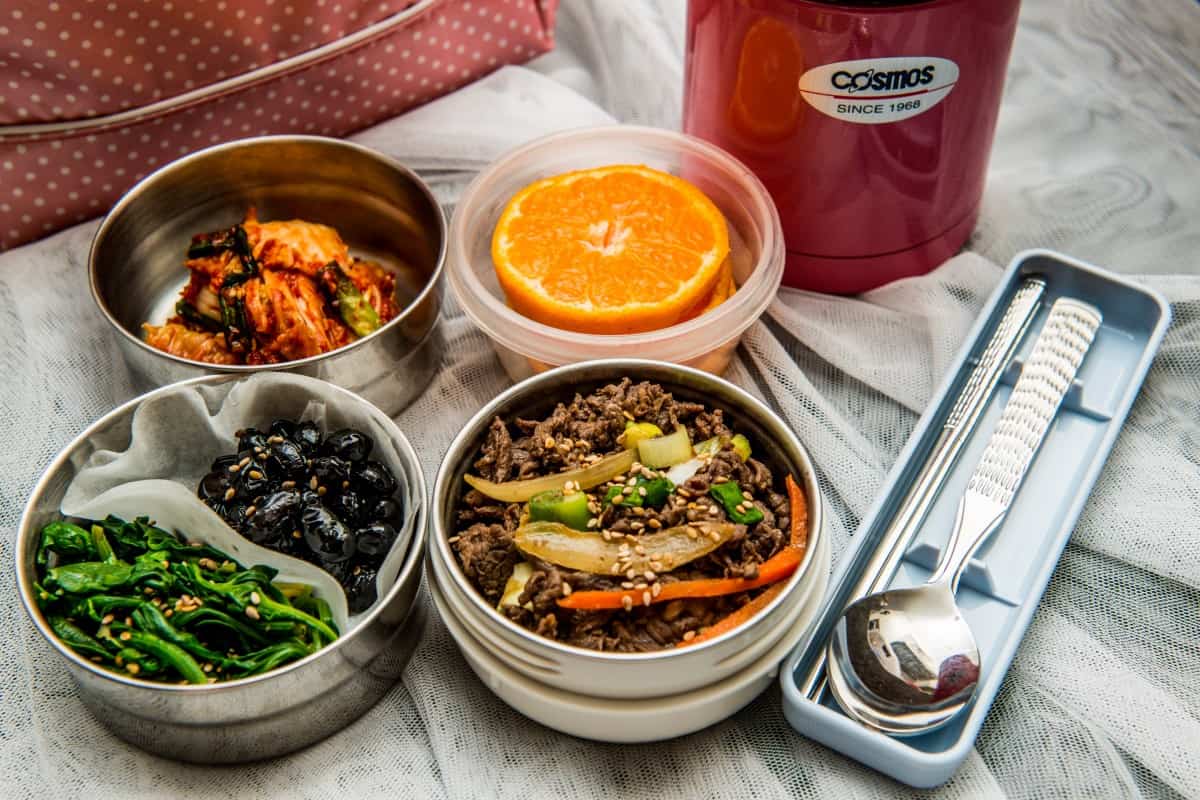
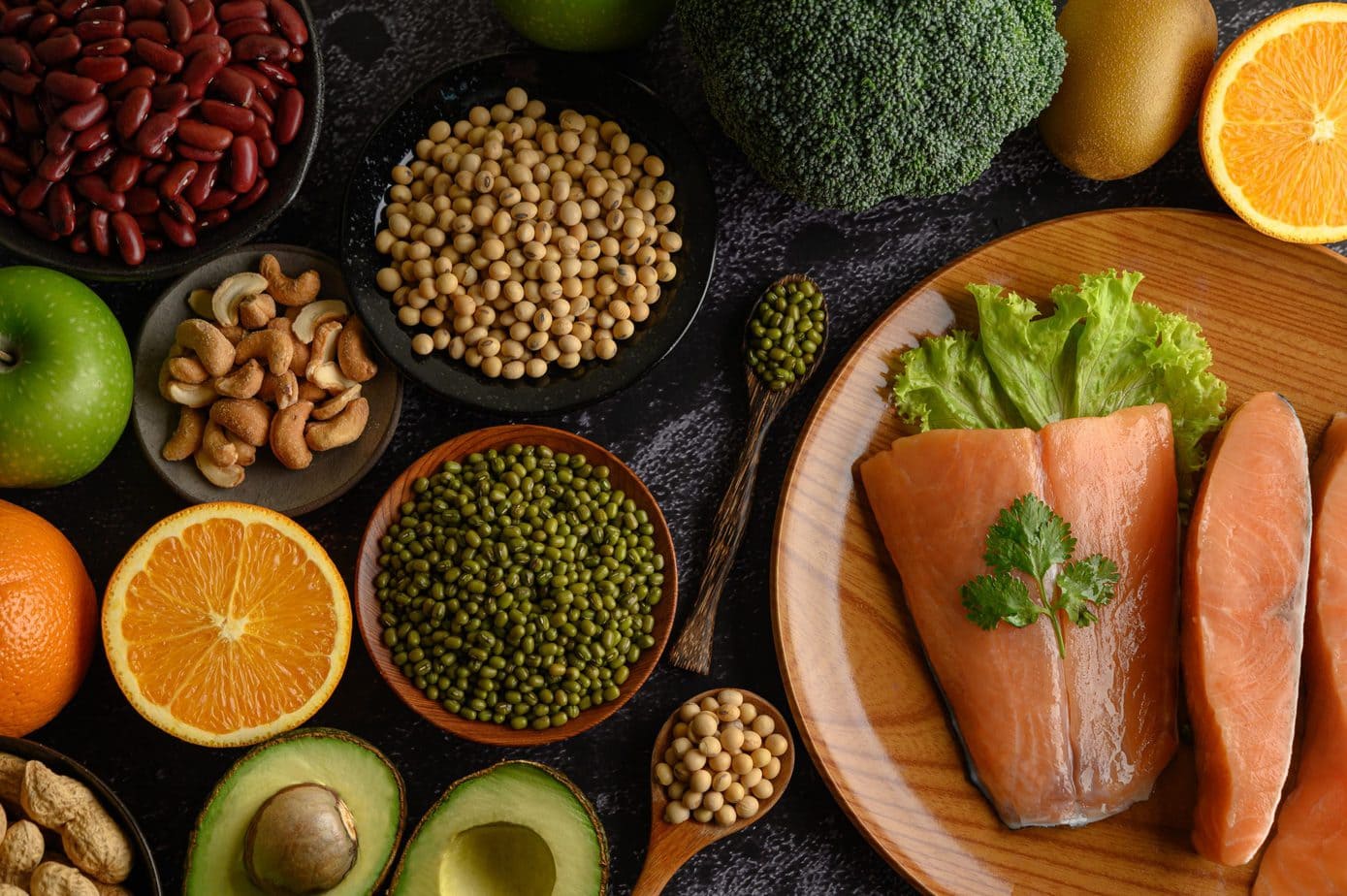
Nutritionists for the treatment of depressive conditions emphasize that a properly prepared diet for the patient should contain several inherent nutrients. The first of these is selenium, an element responsible for modulating mood and proper brain function. In addition to synthetic preparations containing the micronutrient, you can include salmon, eggs, cocoa, buckwheat or white rice, among others, in your daily menu. Experts also argue that the patient’s daily food should contain large amounts of fiber, omega-3 fatty acids, vitamin D, zinc, folic acid, tryptophan, iron, and vitamin B12. These ingredients can be found in foods such as broccoli, fatty fish, pumpkin seeds, flaxseed, poultry, yellow cheese, dairy products, sesame seeds, sunflower seeds, spinach, tomatoes, apples, and bananas
Also read why you should switch from car to bike and how it affects our mental health
Main photo: Polina Zimmerman/pexels.com